Coffee is one of the most beloved beverages in the world. We drink it to wake up, to take a break, or to share a moment with someone. But beyond the pleasure of its taste, in recent years scientific research has begun to take a closer look at its potential health benefits. Among the most interesting topics is the relationship between coffee consumption and liver health—one of the most important organs in our body.
A healthy liver is essential for the proper functioning of the body.
The liver works tirelessly, often without us even noticing. Every day, it carries out a wide range of vital functions: it filters the blood by removing waste substances, produces bile to help digest fats, and stores glucose as a valuable energy reserve. In short, it is a true control center for our metabolism. That’s why keeping it healthy is so important for overall well-being.

How can coffee support the liver in its functions?
Coffee is much more than just a beverage. It contains over a thousand chemical compounds, including caffeine and numerous antioxidants. These are precisely the elements that make it so interesting from a scientific perspective, as they can interact with many processes in the body. Several studies suggest that certain components of coffee may support the liver in different ways:
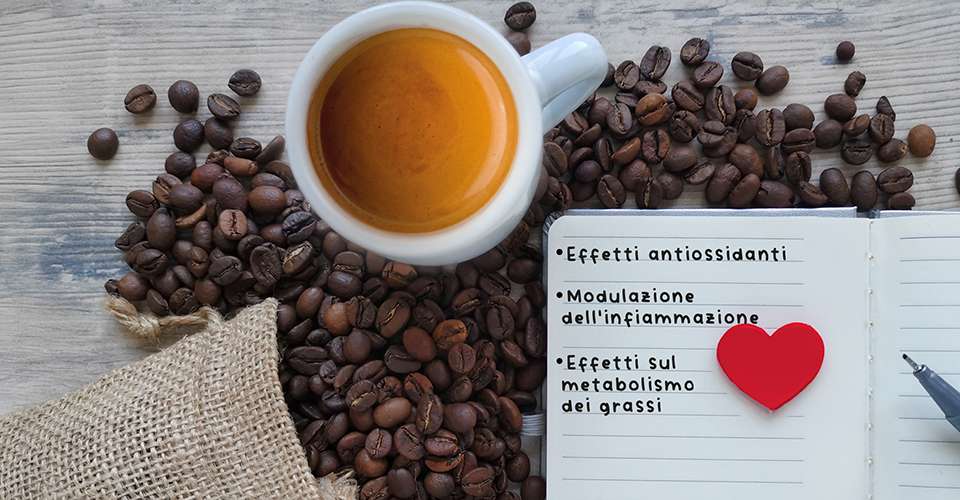
- Antioxidant effects, helping to counteract one of the factors that contribute to the progression of liver diseases.
- Modulation of inflammation, potentially reducing the risk of chronic liver damage.
- Effects on fat metabolism, helping to prevent the accumulation of lipids in the liver.
These findings point to a link between moderate coffee consumption and a lower risk of developing some of the most common liver conditions.

A good habit… in balance
Of course, coffee is not a medicine and cannot replace a healthy lifestyle. A balanced diet, regular physical activity, and routine medical check-ups remain essential for taking care of your liver.
That said, the good news is that our beloved cup of coffee can comfortably be part of a wellness routine. Sometimes, even a small daily gesture can become an ally for our health.