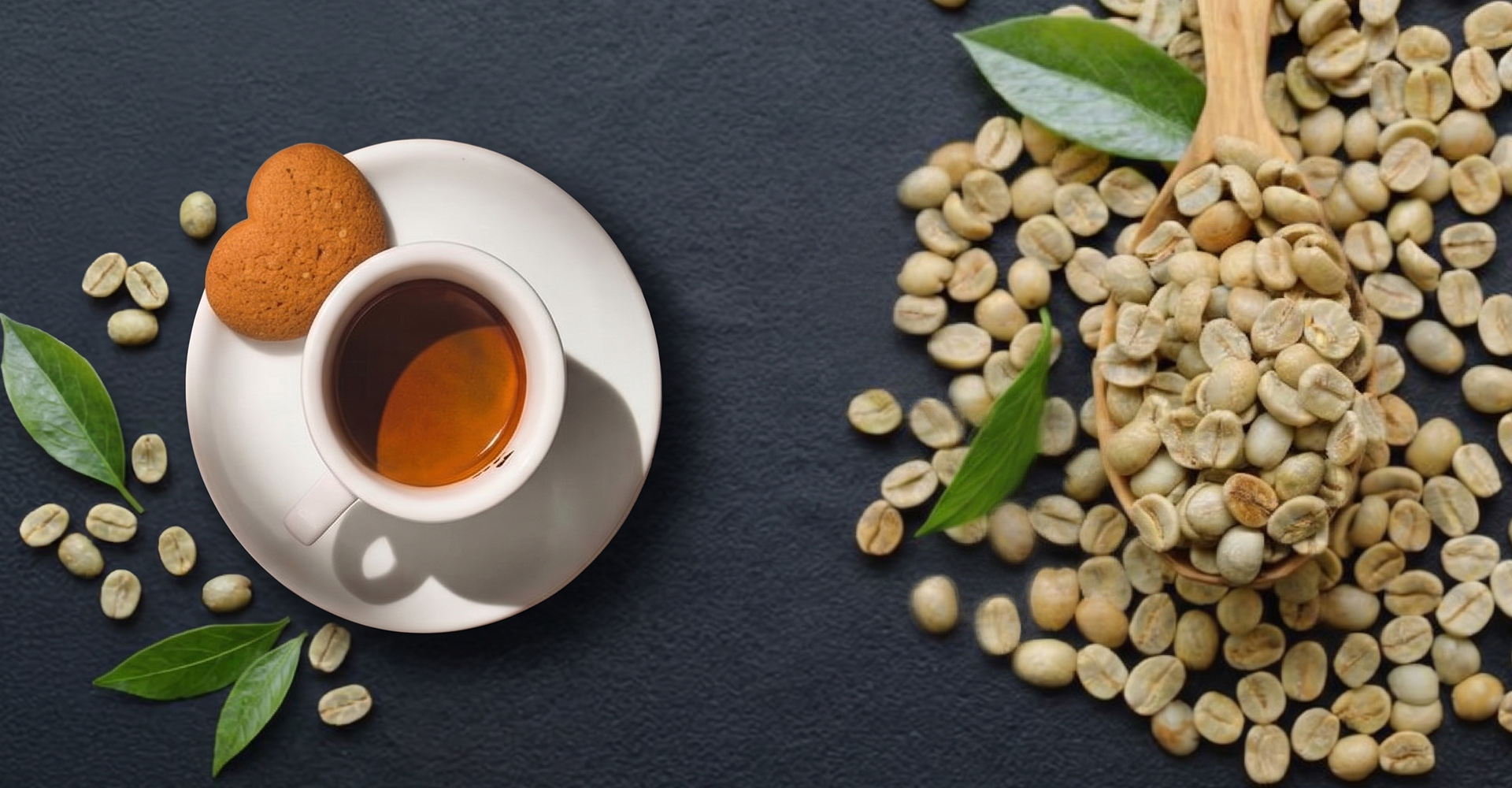
When we talk about coffee quality, our thoughts immediately turn to roasting or extraction. In reality, it all begins much earlier, with green coffee. This is where a crucial role is played. Defects, imperfections and improper processing can irreversibly compromise the final result, making it impossible to achieve a balanced, enjoyable espresso.
What are green coffee defects and how do they affect quality?
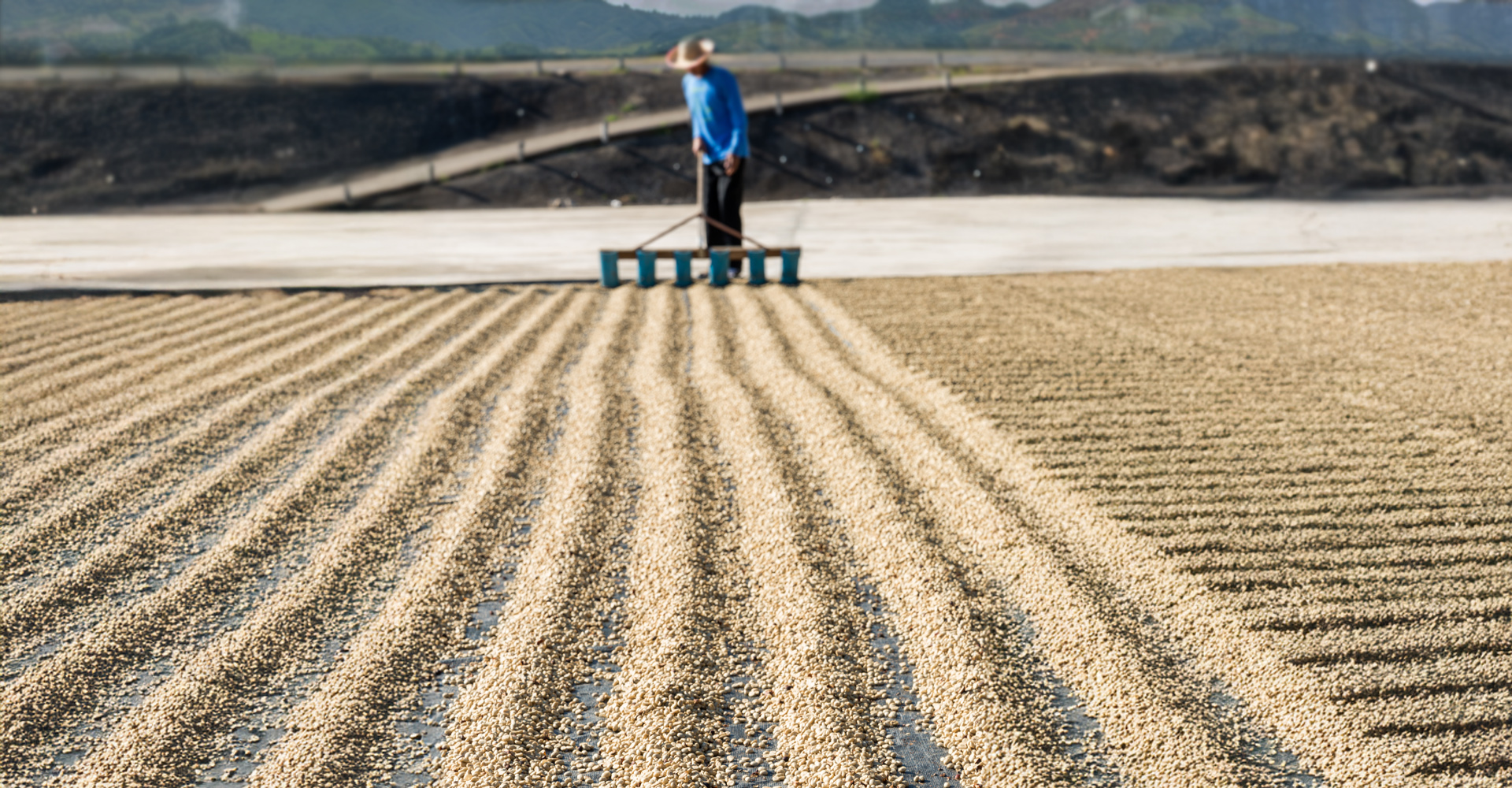
Green coffee defects are irregularities affecting coffee beans before roasting, which can result from agricultural, climatic, harvesting or processing factors. The most common include unripe, fermented, blackened or insect-damaged beans. Improper drying or inadequate storage can also alter the coffee’s characteristics, resulting in unwanted aromas and flavours.
Each defect has a direct impact on the aromatic profile: an unripe bean can produce grassy, astringent notes, while a fermented bean may develop unpleasant, acidic flavours. Poor storage can lead to musty or woody aromas. It is important to remember that even a small percentage of defective beans can compromise the overall balance of a blend, diminishing its quality and appeal.
Selection and quality control: the role of Manuel Caffè.
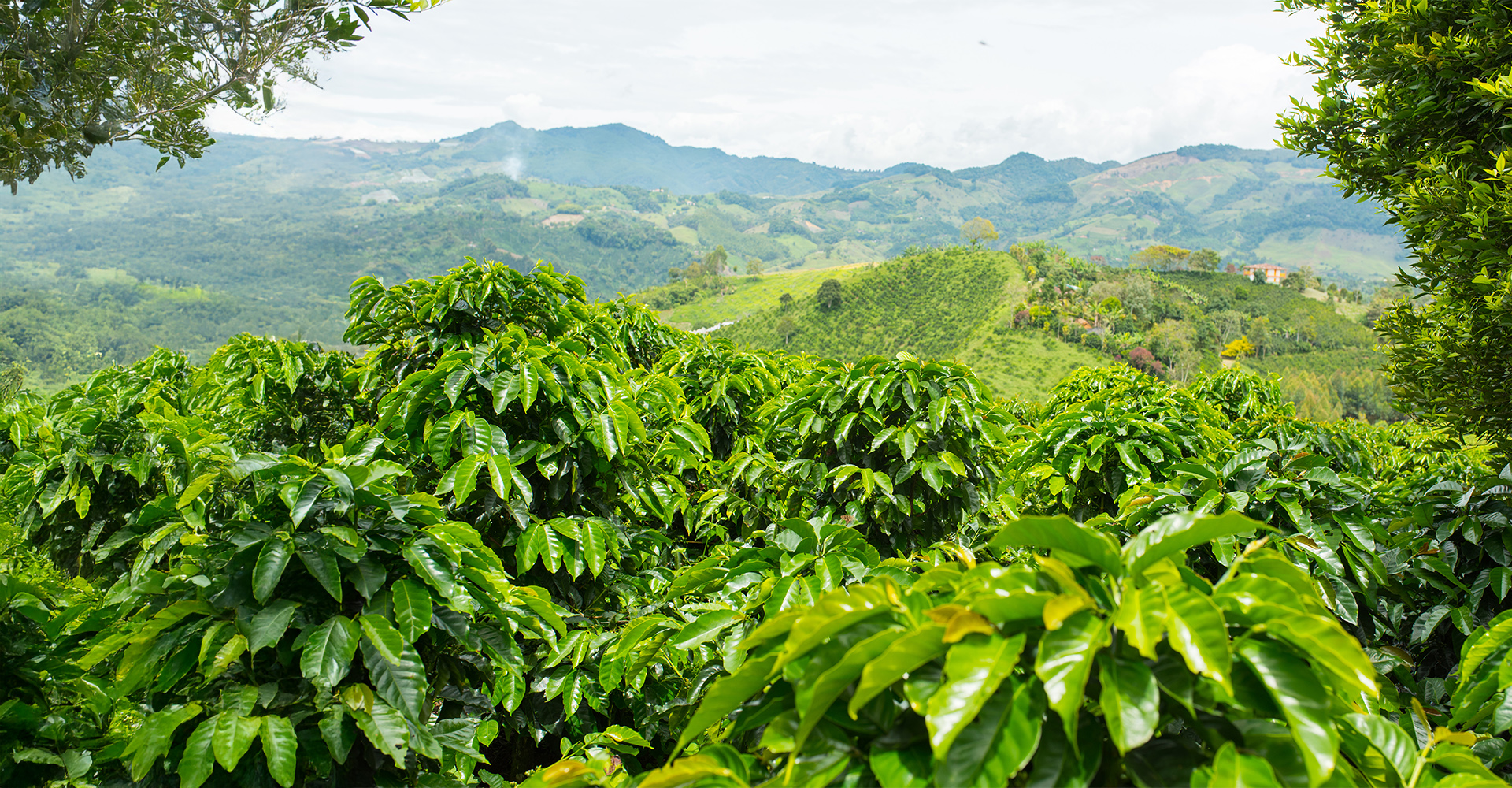
This is where the essential role of the coffee producer comes into play. Quality is never a matter of chance: it is the result of rigorous selection and constant checks throughout the entire supply chain. Choosing reliable suppliers, inspecting batches of green coffee and rejecting non-compliant beans are all essential steps in maintaining high standards.
For companies such as Manuel Caffè, this means investing in expertise, relationships with producers and quality control systems that ensure only raw materials meeting the highest expectations are selected.
From raw material to the experience in the cup.
Since a great espresso starts with great raw materials, selecting high-quality green coffee means laying solid foundations for an outstanding final product. It is often invisible work, but it makes all the difference: what we experience as balance, aroma and enjoyment is the result of decisions made long before roasting.
Understanding green coffee defects is not just a technical matter; it is also key to appreciating the value of a brand. It means recognising that every cup is the result of a process built on attention, selection and care. Because, ultimately, coffee quality cannot be improvised: it is built, one bean at a time.